Category: Digital Media Strategy
-

Hotel Aggregator Lawsuit: What Hospitality Marketers Need to Know
Learn about the hotel aggregator lawsuit filed by San Francisco, targeting BookOnline.com and GuestReservations.com for scams.
-
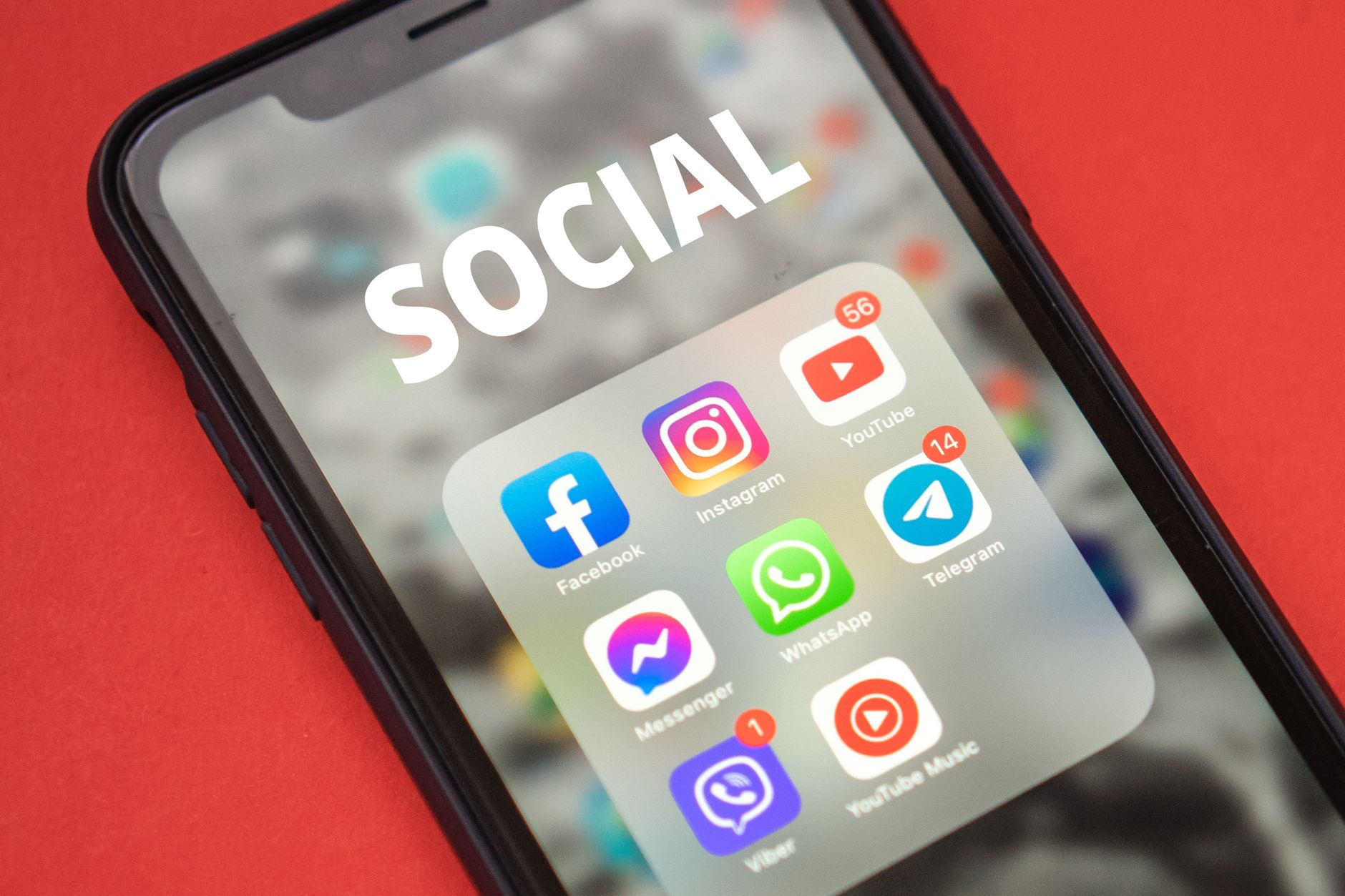
Using Paid Social Ads to Promote Events and Fill Bookings
In the hierarchy of performance marketing, social media advertising ranks near the top. Social networks—particularly Meta and TikTok—tend to have a high volume of inventory, providing advertisers with lower CPMs and, often, better performance metrics than other digital advertising channels. For event marketers, the combination of audience and geographic targeting & organic features such as…
-

How to Write Paid Search Ads That Actually Get Clicked
See how to write paid search ads that generate clicks and conversions, and make Google & Bing Ads your top-performing advertising channels.
-

Digital Marketing 2026: Our Predictions
As 2025 closes and marketers prepare strategies for 2026, the digital landscape continues to shift — not just with technological innovation, but also with evolving consumer sentiment and cultural responses to that technology. In this post, we unpack the big forces that will shape digital marketing next year — from new forms of audience engagement…
-
Four Ways for Your Nonprofit to Prepare for Giving Tuesday 2025
November and December have historically been big months for retail, with nearly 20% of annual revenue occurring in just eight weeks. The holiday season represents a crucial time for nonprofits as well: Giving Tuesday, which falls on the first Tuesday following Thanksgiving here in the States, raised an estimated $3.6B in 2024, and has helped…
-
Why Combining Organic and Paid Social is Critical for Brand Success
If you’ve been managing a brand’s social presence for any length of time, you’ve probably noticed a sobering trend: your posts just don’t reach as many people as they used to. Even when you publish engaging, relevant content, the numbers can feel underwhelming. This isn’t your imagination—organic reach across social platforms has been declining for…
-
Extend the Life of Your Best Creative with New Social Display Ads
Learn how social display ads can enhance your marketing strategy and reduce the need for frequent creative development.
-

Three Meta Ads Tips to Improve Your Performance Immediately
Discover effective Meta ads tips that can boost your campaign performance on Facebook and Instagram today.
-

Utilizing Geofencing in Your Digital Advertising Campaigns
Most of the digital advertising campaigns we manage include some sort of geotargeting aspect—meaning, we are limiting the geographic area in which our ads can serve. For many campaigns, this geotargeting includes the city or cities where they do business; with larger, national businesses, this geotargeting might extend across the US or into Canada or…
-

Social Media As a Customer Service Channel
It’s 2025, and social media is (for better or worse) a staple in just about everyone’s lives. Social has long been more than just a place for brand awareness and engagement—in the past five years or so, it has become a primary customer service channel for companies large and small. Customers are turning to platforms…

©2026 Three J’s and a K, LLC dba Screechy Cat Media
Privacy Policy | Accessibility
White Label Media Buying
Solvang, CA 93463
Phone: (805) 430-9879